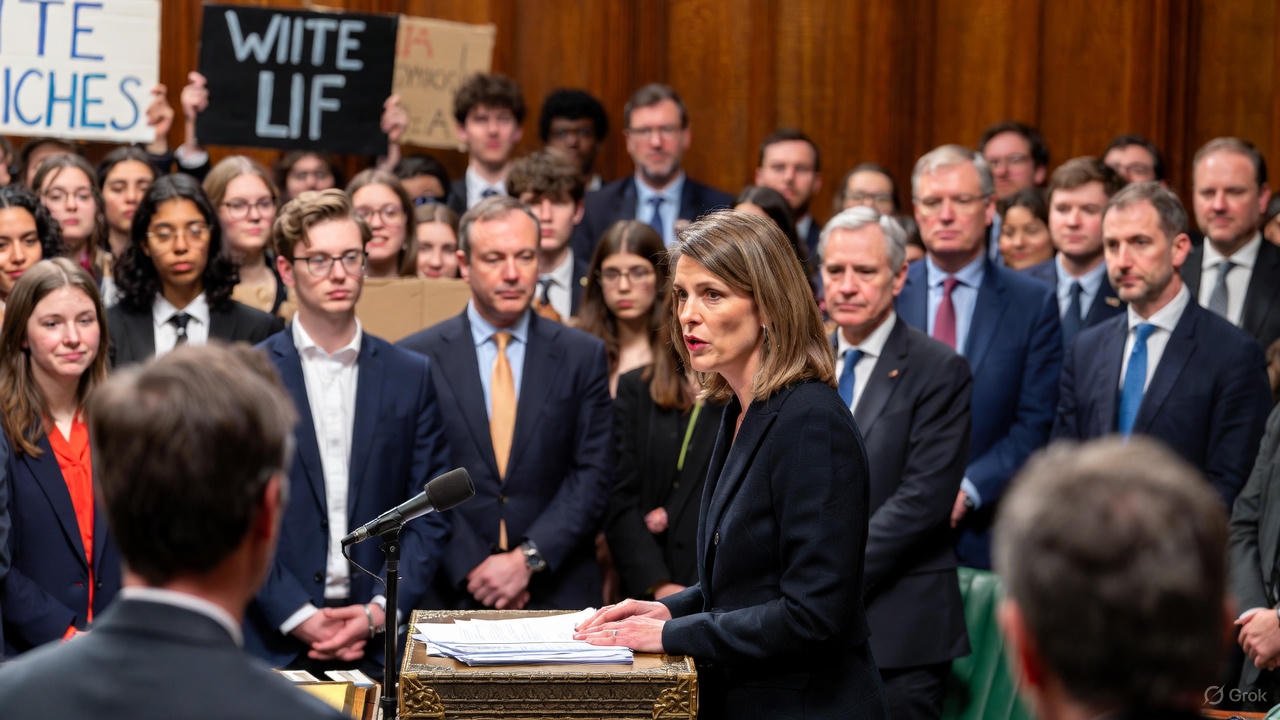
As the chill of late autumn settles over Westminster, all eyes are turning to one pivotal question: When is the Budget 2025? The answer, eagerly awaited by economists, business leaders, and everyday households alike, is clear—Wednesday, November 26, 2025. Just two days away from now, Chancellor Rachel Reeves will stand at the dispatch box in the House of Commons around 12:30 PM GMT, red box in hand, to unveil her Autumn Statement. This isn’t just another fiscal update; it’s a high-stakes showdown that could reshape Britain’s economic landscape for years to come.
In the shadow of a sluggish recovery and mounting public sector pressures, Reeves faces a delicate balancing act. Her Labour government swept to power in 2024 on promises of stability and growth, but 18 months in, the rhetoric of “fixing the foundations” has given way to tough choices. Whispers of tax hikes, spending squeezes, and targeted raids on unexpected sectors have dominated headlines for weeks. Among the most explosive? A proposed £600 million levy on university fees from international students, dubbed a “raid” by critics, aimed at bolstering support for low-income British undergraduates. Meanwhile, the business world is sounding alarm bells, warning that this Budget could deliver “death by a thousand taxes” and stifle investment at a time when the UK desperately needs it. With leaks flooding the media and consumer confidence reportedly flatlining, the stage is set for a statement that could either ignite hope or fan fears of fiscal overreach.
Reeves, the first female Chancellor in British history, has framed this Budget as a turning point: one that prioritizes “working people” while adhering to her self-imposed fiscal rules. No longer will there be two major fiscal events a year, as under previous governments; Labour’s streamlined approach means this Autumn Budget carries double the weight. Accompanied by an updated economic forecast from the Office for Budget Responsibility (OBR), it promises clarity on everything from NHS waiting lists to national debt reduction. Yet, as polls reveal two-thirds of Britons favoring spending cuts over tax rises, the pressure is on. Will Reeves deliver bold reforms, or will she opt for the path of least resistance, risking long-term stagnation? As the clock ticks down, let’s unpack the key flashpoints dominating the pre-Budget buzz.
Timing the Fiscal Clock: Why November 26 Matters
So, to circle back to that burning query—when is the Budget 2025?—it’s firmly locked in for November 26, a date announced back in early September by Reeves herself during a Downing Street briefing. This slots neatly into the UK’s revamped fiscal calendar, where the Autumn Budget has become the marquee event, replacing the old spring-and-autumn double-header that often led to policy whiplash. The Chancellor emphasized then that this timing allows for “due notice” to families and firms, giving them breathing room to adjust to changes in taxes and spending.
Historically, UK budgets have danced to the rhythm of the calendar. The fiscal year kicks off on April 6, so November’s slot lets the government lay out plans mid-year, bridging immediate needs with longer-term strategies. Remember the chaos of 2020, when Brexit uncertainties and a pandemic pushed events into disarray? Labour’s commitment to one major fiscal moment per year aims to end that unpredictability, fostering what Reeves calls “economic stability.” But in 2025, with inflation stubbornly above target and growth forecasts tepid, this date feels less like a routine checkpoint and more like a pressure cooker.
The OBR’s accompanying report will be crucial, likely downgrading productivity outlooks and highlighting a £30 billion-plus “black hole” in public finances—a figure economists have bandied about in recent briefings. Reeves must not only balance the books but also build a buffer against her fiscal rule: day-to-day spending covered by taxes, with room for investment. Delivering at 12:30 PM ensures prime-time coverage, with opposition leader Kemi Badenoch ready to pounce in response. For businesses, it’s a deadline to watch; for students and families, a potential lifeline or landmine. In short, November 26 isn’t just a date—it’s the fulcrum on which Britain’s post-Labour ambitions will teeter.
The Uni Fees Controversy: A ‘Raid’ on Education or a Fair Share?
At the heart of the Budget’s intrigue lies Reeves’ eye-catching proposal: a £600 million “raid” on university fees paid by international students. Floated in recent days, this would introduce a 6% levy on higher education income from overseas enrollees, redirecting the funds toward maintenance grants for disadvantaged British undergraduates. It’s pitched as a cost-of-living salve, easing the squeeze on young people from low-income backgrounds who often forgo university due to financial barriers. In an era where tuition fees for home students are capped at £9,250 but living costs soar, this could inject real relief—perhaps £1,000 extra per year for thousands of recipients.
Reeves’ logic is straightforward: international students, who pay upwards of £20,000 annually in fees, represent a booming export industry for UK universities, generating over £5 billion last year alone. Why not skim a modest slice to support domestic access? Proponents argue it’s progressive—targeting a sector flush with cash from wealthy Gulf states and Asian markets—without hiking taxes on everyday workers. Universities UK, the sector’s voice, has long called for sustainable funding models, and this could plug gaps left by frozen domestic fees since 2017. Imagine a first-year from a council estate in Manchester, no longer rationing meals to cover rent; that’s the human story Reeves wants to sell.
But the backlash has been swift and sharp. Critics, including a coalition of business groups, label it a “university tax” that threatens the UK’s global edge. Higher fees could deter top talent from China, India, and beyond, at a time when post-Brexit visa curbs have already thinned applicant pools. Universities, reliant on foreign revenue to cross-subsidize research and teaching, warn of slashed scholarships, deferred maintenance, and even course closures in STEM fields vital for net-zero goals. One vice-chancellor told me off the record: “This isn’t a raid; it’s a self-inflicted wound. We’re already limping from funding cuts— this could hobble us for a generation.”
The proposal echoes broader tensions in Reeves’ agenda. Stemming from May’s immigration white paper, it ties education policy to border controls, a politically charged mix. Business leaders, in an open letter to the Chancellor, urged a pause for “full risk assessment,” fearing knock-on effects on the £42 billion education export economy. They point to unintended consequences: fewer international PhDs means weaker innovation pipelines for tech firms; reduced campus diversity hits soft power abroad. Even Labour backbenchers murmur unease, recalling how similar levies in Australia sparked enrollment drops.
Reeves, ever the economist, knows the numbers: international students contribute £1.50 to the economy for every £1 in fees. But in a Budget starved for revenue—needing £12 billion just to meet fiscal targets—she’s betting the moral high ground outweighs the risks. Will it pass muster in the Commons? Likely, given Labour’s majority. But as implementation looms, expect court challenges and sector lobbying to intensify. This “raid” isn’t just about pounds and pence; it’s a litmus test for whether Reeves prioritizes equity over excellence.
Business on the Brink: Warnings of a Tax-Led Paralysis
If universities feel the pinch, Britain’s boardrooms are bracing for a punch. The business community has unleashed a torrent of warnings ahead of November 26, painting a picture of an economy teetering on the edge of “death by a thousand taxes.” Rain Newton-Smith, director-general of the Confederation of British Industry (CBI), will deliver a stark message today: without bold pro-growth moves, the UK risks “Groundhog Day,” trapped in a cycle where short-term politics eclipses long-term prosperity. It’s a cry from the heart—and the spreadsheets—of CEOs who’ve watched investment stall amid policy fog.
The leaks alone have done damage, according to former Bank of England chief economist Andy Haldane. Months of drip-fed stories about National Insurance hikes, employer levies, and now the uni fees tax have induced “paralysis” among firms and consumers. Hiring freezes, delayed expansions—you name it. The Metro splashed it boldly: “Months of leaks ‘have flatlined economy’.” Small wonder; when every day brings a new fiscal specter, why commit capital?
CEOs aren’t mincing words. In Bloomberg interviews, executives from FTSE 100 giants threatened to slash UK investments if Reeves piles on costs. Post her October 2024 Budget, which upped employer National Insurance and the minimum wage, margins are already razor-thin. Add a bank surcharge—rumored to quietly erode savings rates—or raids on pension schemes, and the math doesn’t add up. “You can’t tax your way to growth,” one Sun-cited chief echoed, urging spending restraint over revenue grabs. The Institute of Economic Affairs warns that piecemeal taxes could amplify unintended hits to jobs and innovation, potentially widening the £30 billion fiscal gap through slower growth.
This isn’t abstract griping. UK productivity lags G7 peers, and foreign direct investment dipped 20% last year. Business groups plead for incentives: R&D credits, planning reforms, green subsidies. Instead, they fear a Budget that freezes tax thresholds (a stealth hike on workers, per Tory leader Badenoch) while eyeing £15 billion in welfare expansions, like scrapping the two-child benefit cap. Noble aims, but funded how? Investors, per the Financial Times, caution against delaying pain—better a sharp, transparent fix than creeping erosion of confidence.
Reeves counters that growth requires investment in people—hence the uni grants and NHS boosts. But without business buy-in, her vision crumbles. As Newton-Smith puts it, “Prove growth is the priority, or watch the stop-start economy grind on.”
Looking Ahead: Fiscal Tightrope and Silver Linings
Beyond the headlines, expect a Budget blending pain and promise. Tax rises on “non-dom” loopholes and vaping might net billions, alongside cuts to inefficient subsidies. The OBR could forecast 1.2% growth, buoyed by falling energy prices, but warn of pension costs hitting 4.9% of GDP. Reeves’ buffer against fiscal rules might swell to £10 billion, signaling prudence to bond markets.
Yet, the real test is delivery. Will she heed calls for a growth-first overhaul, ditching distortionary taxes for supply-side boosts?
In the end, November 26 will define Reeves’ chancellorship. A misstep could entrench decline; a masterstroke might unlock the “renewal” she craves. For now, Britain holds its breath—hoping this Budget doesn’t just balance books, but builds futures.